
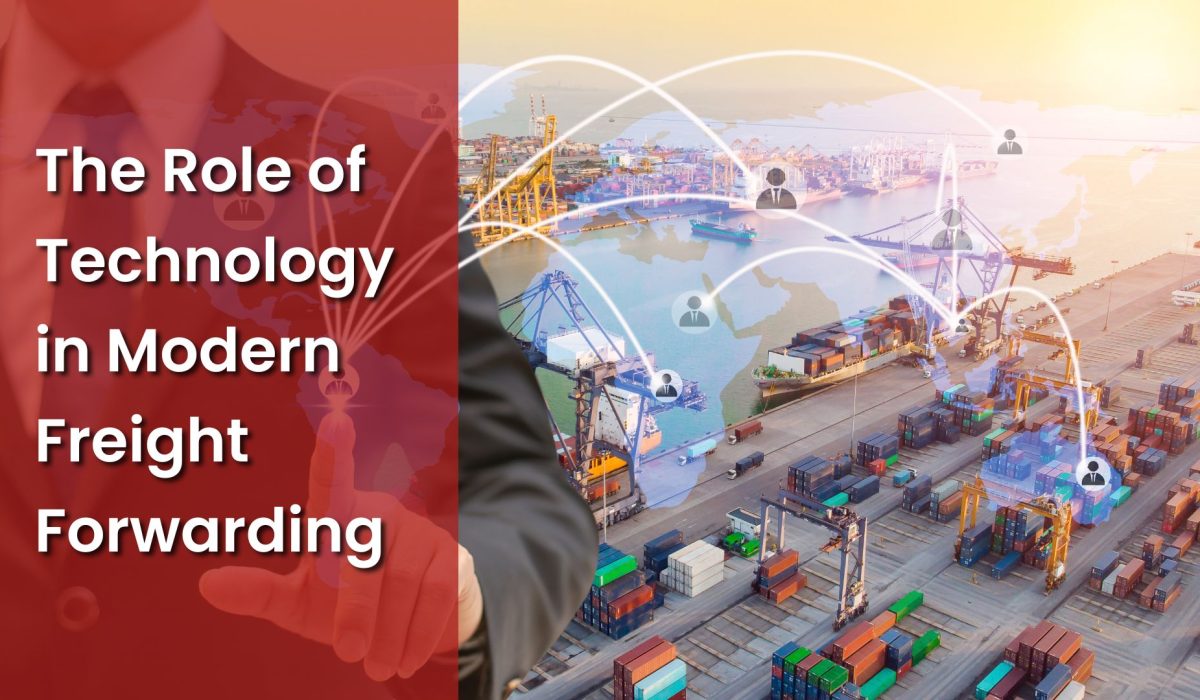
The logistics industry has entered a new era—one powered by technology, automation, and data-driven operations. As global supply chains become more complex and customer expectations continue to rise, freight forwarding companies are rapidly adopting digital solutions to improve visibility, efficiency, and decision-making.
From real-time shipment tracking to predictive logistics and automated documentation, technology is no longer just an advantage in freight forwarding—it has become essential for staying competitive in today’s global market.
The Digital Transformation of Freight Forwarding
Traditional freight forwarding once relied heavily on manual coordination, paperwork, phone calls, and delayed shipment updates. While those systems worked in the past, modern businesses now demand faster communication, transparent tracking, and more reliable shipping operations.
Technology is helping logistics providers streamline these processes through smarter systems and connected platforms that improve the movement of goods across the supply chain.
Today’s freight forwarding industry is increasingly powered by:
- Automation tools
- Real-time shipment visibility
- Cloud-based logistics systems
- AI-driven forecasting
- Data analytics
- Smart warehousing solutions
- Digital freight management platforms
These innovations are changing how freight is planned, monitored, and delivered worldwide.
Real-Time Tracking Improves Shipment Visibility
One of the biggest advancements in modern freight forwarding is real-time tracking.
Businesses today expect to know exactly where their cargo is, when it will arrive, and whether delays may impact operations. Real-time tracking systems provide instant visibility into shipments across ocean, air, and ground freight routes.
With GPS technology, IoT sensors, and cloud-based dashboards, companies can now:
- Monitor cargo movement in real time
- Receive automated shipping updates
- Track estimated arrival times
- Identify delays before they escalate
- Improve communication with customers and suppliers
This level of visibility helps businesses make faster decisions and maintain stronger control over their supply chains.
Automation Reduces Errors and Delays
Manual logistics processes often lead to delays, repetitive tasks, and documentation errors. Automation helps eliminate many of these inefficiencies.
Modern freight forwarding companies now use automated systems for:
- Booking and shipment scheduling
- Customs documentation
- Invoice generation
- Cargo status notifications
- Inventory synchronization
- Freight rate management
By reducing manual workload, automation improves operational speed while minimizing costly mistakes.
Automation also allows logistics teams to focus more on strategy, customer support, and supply chain optimization rather than repetitive administrative work.
Data Analytics Supports Smarter Decision-Making
Data has become one of the most valuable assets in logistics.
Freight forwarding companies now use analytics tools to evaluate shipping performance, identify bottlenecks, forecast demand, and improve operational efficiency.
With data-driven logistics insights, businesses can:
- Optimize shipping routes
- Reduce transportation costs
- Improve delivery timelines
- Forecast inventory demand
- Analyze carrier performance
- Strengthen supply chain planning
Predictive analytics also helps businesses prepare for disruptions such as port congestion, weather delays, or sudden market changes.
Instead of reacting to problems after they occur, companies can make proactive logistics decisions backed by real-time information.

Cloud-Based Logistics Platforms Improve Collaboration
Modern freight operations involve multiple stakeholders—from suppliers and carriers to customs brokers and warehouse teams.
Cloud-based logistics systems make collaboration easier by centralizing shipment information into one connected platform.
These platforms allow teams to:
- Access shipping data from anywhere
- Share documents instantly
- Communicate in real time
- Improve workflow coordination
- Increase transparency across operations
This creates faster response times and smoother coordination between all parties involved in the shipping process.
Smart Warehousing Enhances Supply Chain Efficiency
Technology is also transforming warehouse operations.
Smart warehousing systems now use automation, barcode scanning, RFID tracking, and inventory management software to improve storage and distribution efficiency.
Benefits of smart warehousing include:
- Faster inventory tracking
- Reduced stock discrepancies
- Improved order accuracy
- Better warehouse space utilization
- Faster picking and dispatching
When combined with modern freight forwarding systems, smart warehousing creates a more connected and efficient supply chain.
Technology Helps Businesses Stay Competitive
As customer expectations evolve, businesses need logistics partners that can provide speed, visibility, reliability, and flexibility.
Technology-driven freight forwarding allows companies to:
- Improve customer satisfaction
- Reduce operational risks
- Increase shipping efficiency
- Gain better supply chain control
- Scale logistics operations more effectively
In a highly competitive global market, businesses that embrace logistics technology are better positioned to adapt, grow, and respond to changing industry demands.
The Future of Freight Forwarding
The future of freight forwarding will continue to be shaped by digital innovation.
Emerging technologies such as artificial intelligence, machine learning, blockchain, and predictive logistics platforms are expected to further transform the industry in the coming years.
As global shipping networks become more connected, companies will increasingly rely on intelligent logistics systems to improve efficiency, reduce costs, and strengthen supply chain resilience.
Freight forwarding is no longer just about moving cargo—it’s about creating smarter, more responsive logistics solutions powered by technology.
Conclusion
Technology is redefining modern freight forwarding by improving visibility, automation, operational efficiency, and supply chain decision-making.
From real-time tracking and predictive analytics to smart warehousing and digital freight platforms, technology enables businesses to move cargo more efficiently while staying agile in a rapidly evolving global market.
At SH International Logistics, we combine industry expertise with modern logistics solutions to help businesses navigate today’s fast-changing supply chain environment. From freight management and warehousing to global shipping coordination, our team is committed to delivering efficient, reliable, and technology-driven logistics services.
Visit the SH International Logistics website to learn more about our logistics solutions and how we can support your global freight operations.