
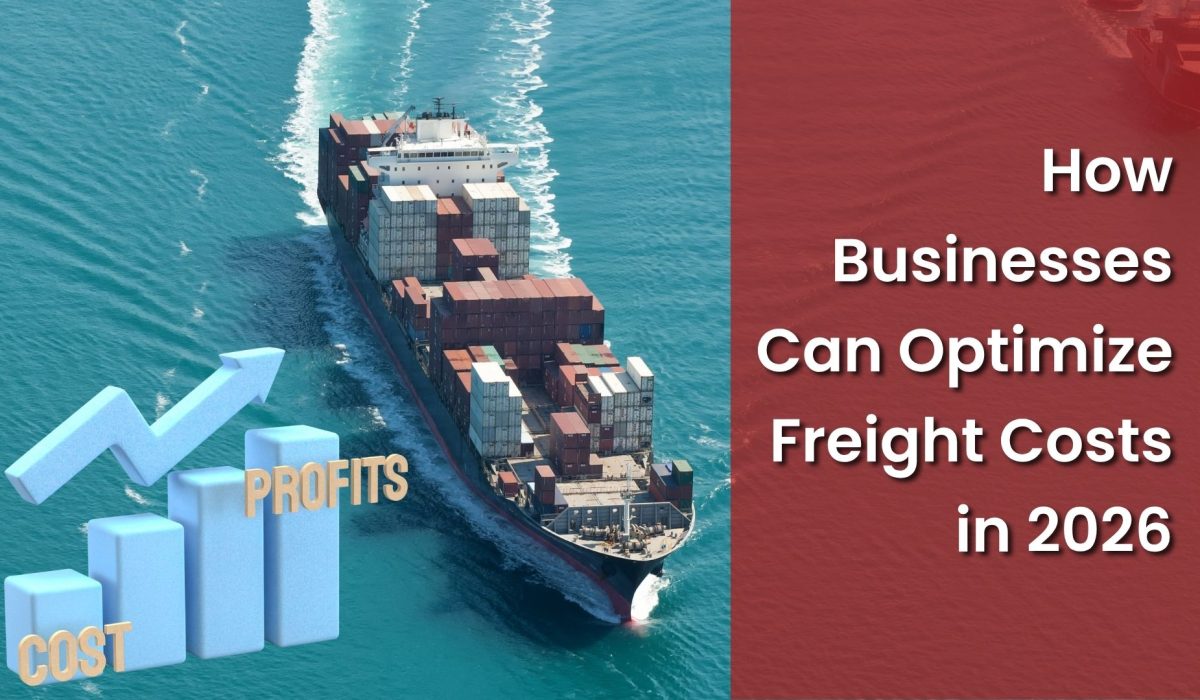
Freight cost volatility is no longer a temporary challenge—it has become a defining factor in global trade. In 2026, businesses are navigating fluctuating fuel prices, shifting regulations, capacity constraints, and evolving customer expectations. The result? Margins are tighter, and inefficiencies are more expensive than ever.
To remain competitive, companies must move beyond reactive logistics management and adopt proactive, data-driven strategies that optimize freight costs while maintaining service quality.
Understanding What’s Driving Freight Costs
Before optimization, it’s critical to understand the variables influencing freight expenses:
- Fuel price fluctuations impacting carrier rates
- Port congestion and delays increasing storage and demurrage fees
- Capacity imbalances across shipping lanes
- Regulatory changes affecting international trade compliance
- Rising demand for faster delivery timelines
These factors create an environment where static logistics strategies no longer work. Businesses must continuously adapt.
1. Leverage Smart Route Planning
Route optimization is one of the most immediate ways to reduce freight costs.
Advanced logistics systems now use real-time data, predictive analytics, and AI-driven insights to determine the most efficient shipping routes. This includes:
- Avoiding congested ports and high-traffic corridors
- Reducing transit time and fuel consumption
- Identifying cost-effective alternatives without compromising delivery schedules
Even small route adjustments can lead to significant cost savings when scaled across operations.
2. Adopt Multimodal Transportation Strategies
Relying on a single mode of transport limits flexibility and often increases costs. A multimodal approach—combining air, ocean, rail, and road—allows businesses to balance speed and cost effectively.
For example:
- Use ocean freight for bulk, non-urgent shipments
- Shift to air freight for time-sensitive deliveries
- Integrate land transport for last-mile efficiency
This hybrid model enables better cost control while maintaining service reliability.
3. Strengthen Freight Partnerships
Strategic partnerships with logistics providers are essential in managing long-term costs.
Reliable freight partners can offer:
- Negotiated rates and volume discounts
- Priority access during peak seasons
- Better visibility and tracking capabilities
- Expertise in navigating regulatory complexities
Rather than transactional relationships, businesses should focus on building long-term collaborations that provide stability and scalability.
4. Improve Load Optimization and Consolidation
Shipping partially filled containers or underutilized trucks leads to unnecessary expenses.
Optimizing load capacity through:
- Freight consolidation (combining multiple shipments)
- Efficient packaging design
- Accurate demand forecasting
…ensures that every shipment maximizes space and minimizes cost per unit.
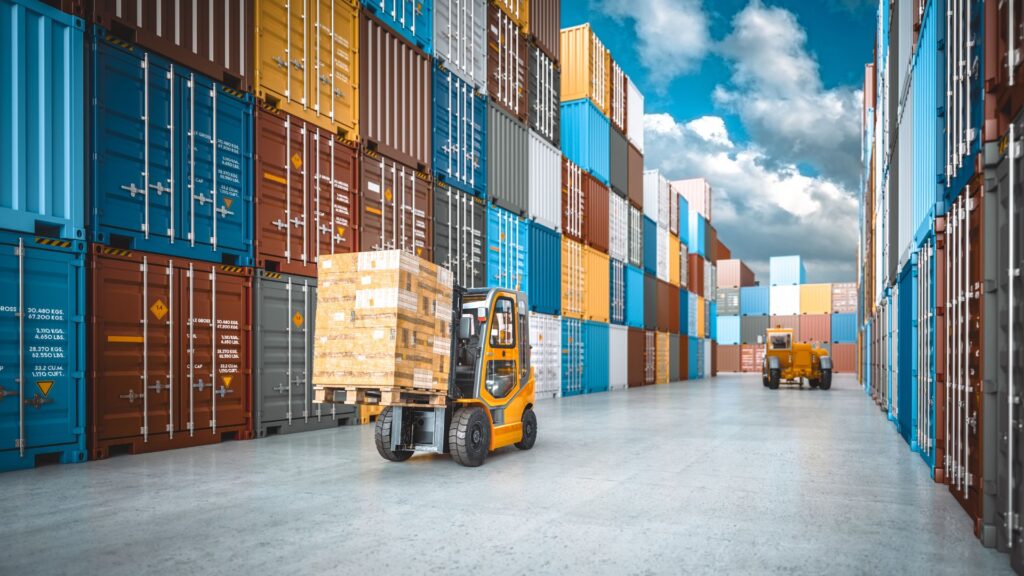
5. Invest in Digital Logistics Solutions
Technology is a key driver of cost optimization in 2026.
Modern logistics platforms provide:
- Real-time shipment tracking
- Automated documentation and compliance
- Data analytics for cost forecasting
- Performance monitoring across supply chains
Digital visibility allows businesses to identify inefficiencies, prevent costly disruptions, and make informed decisions quickly.
6. Enhance Supply Chain Visibility and Planning
Lack of visibility often leads to reactive decision-making—expediting shipments, rerouting at the last minute, or paying premium rates.
With better visibility:
- Businesses can anticipate delays
- Adjust inventory levels proactively
- Optimize procurement and distribution schedules
This reduces the need for costly last-minute changes.
7. Focus on Long-Term Cost Efficiency, Not Just Short-Term Savings
Cutting costs without considering long-term impact can backfire. For example, choosing the cheapest carrier may lead to delays, damages, or poor service—ultimately increasing overall costs.
Instead, businesses should:
- Evaluate total landed cost
- Prioritize reliability and consistency
- Align logistics strategies with broader business goals
Sustainable cost optimization comes from balance, not just reduction.
Conclusion
Freight cost optimization in 2026 requires a strategic, technology-driven approach. Businesses that embrace smart route planning, multimodal transport, strong partnerships, and digital transformation will not only reduce expenses but also build more resilient and agile supply chains.
At SH International Logistics, we understand that managing freight costs is more than just finding the lowest rate—it’s about creating efficient, scalable, and reliable logistics solutions tailored to your business.
From optimized routing and multimodal shipping strategies to end-to-end supply chain support, our team is committed to helping you reduce costs while improving operational performance.
Explore how we can support your logistics needs—visit our website today and discover solutions designed to move your business forward with confidence.